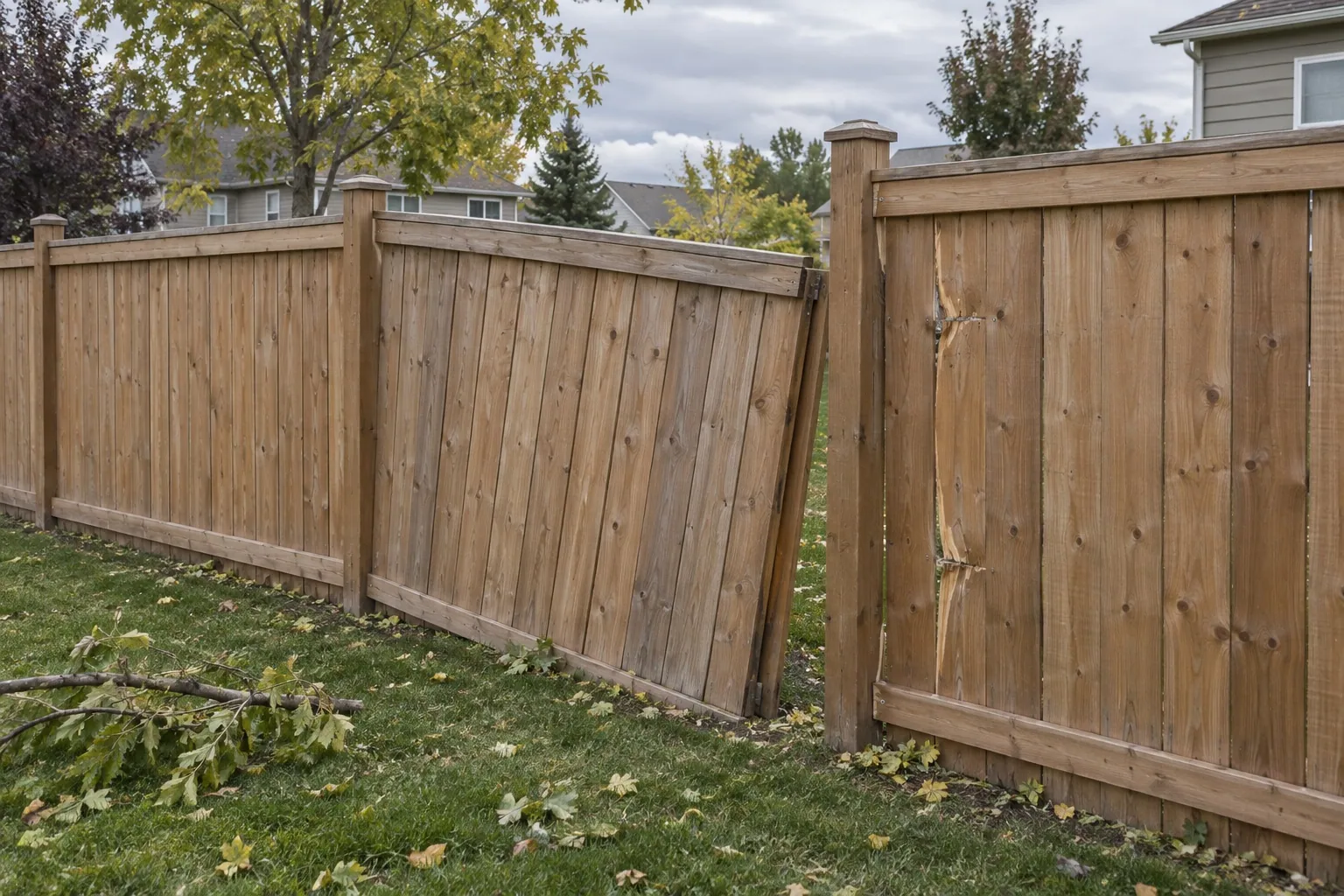
Strong downslope winds are a regular part of life along the Front Range, especially in late fall, winter, and early spring. When a fence takes the hit, the first few days matter: what you do right away affects safety, your insurance claim, and how well the repair holds up the next time the wind picks up.
1. Make the area safe
Keep children and pets away from leaning sections, hanging panels, and loose boards with exposed fasteners. A partly failed fence can fall further in the next gust. Check for anything the fence may have hit on the way down, such as a gas meter, an electrical line, a neighbor's car, or a utility box. If a utility line or meter is damaged, call the utility before touching anything nearby.
2. Document before you clean up
Take photos and video of every damaged section from a few angles, including close-ups of broken posts at ground level, snapped rails, and damaged gates. Include a wide shot that shows where the damage sits on the property. Note the date and time of the wind event. These records help with an insurance claim and with any conversation with a neighbor about a shared fence.
3. Make only the temporary fixes you need
If the fence keeps a dog in or blocks access to a pool, you may need a short-term fix right away. Temporary options include bracing a leaning section with lumber staked into the ground, laying a fallen panel flat so it cannot blow again, or closing an opening with a temporary pet barrier. Keep a pool closed off until its barrier is fully restored. Avoid permanent-looking patches like screwing new boards across a broken post; they hide the real failure and can make the final repair harder.
4. Check your insurance and talk to neighbors
Many homeowners policies include coverage for detached structures, often listed as other structures, which can include fences. Coverage, deductibles, and exclusions vary, so read your policy or call your agent before paying for a full rebuild. If the damaged fence sits on a shared property line, talk with your neighbor early about ownership, cost, and the replacement plan, and put what you agree to in writing.
5. Find where the fence actually failed
Wind rarely breaks a fence in the middle of a board. It usually finds the weakest point in the system:
- Posts that snapped at ground level, often because of rot or corrosion that was hidden below grade.
- Footings that rotated or pulled out of loose, wet, or shallow soil.
- Rails, brackets, or panel connections that let go while the posts stayed standing.
- Large gates that acted like sails and pulled their hinge posts over.
Knowing which of these happened tells you whether a section repair will hold or whether the rest of the fence has the same weakness. If several undamaged posts are also loose or soft at the base, read how to tell whether to repair or replace before committing to a patch.
6. Repair it to handle the next windstorm
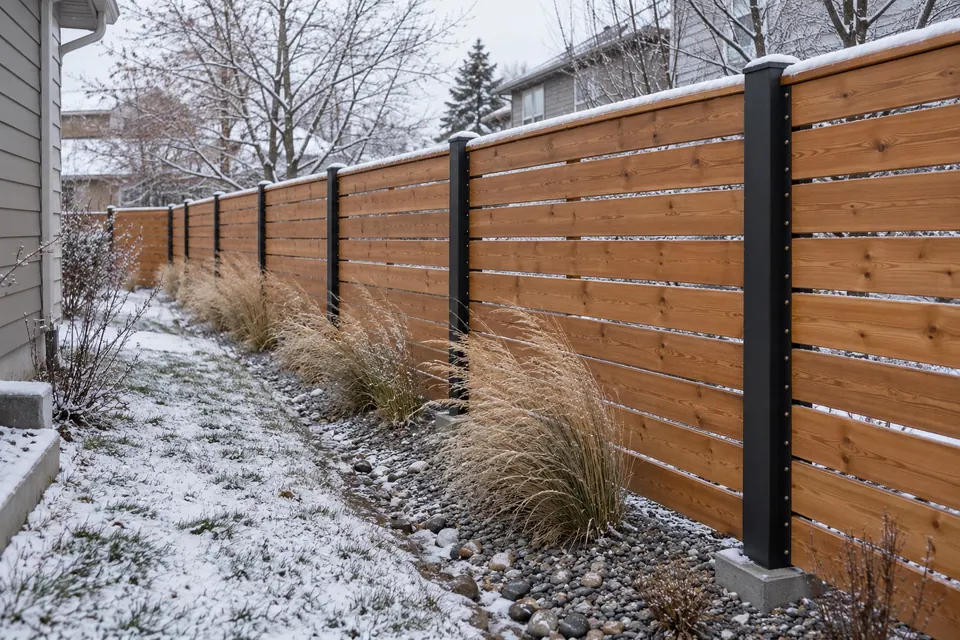
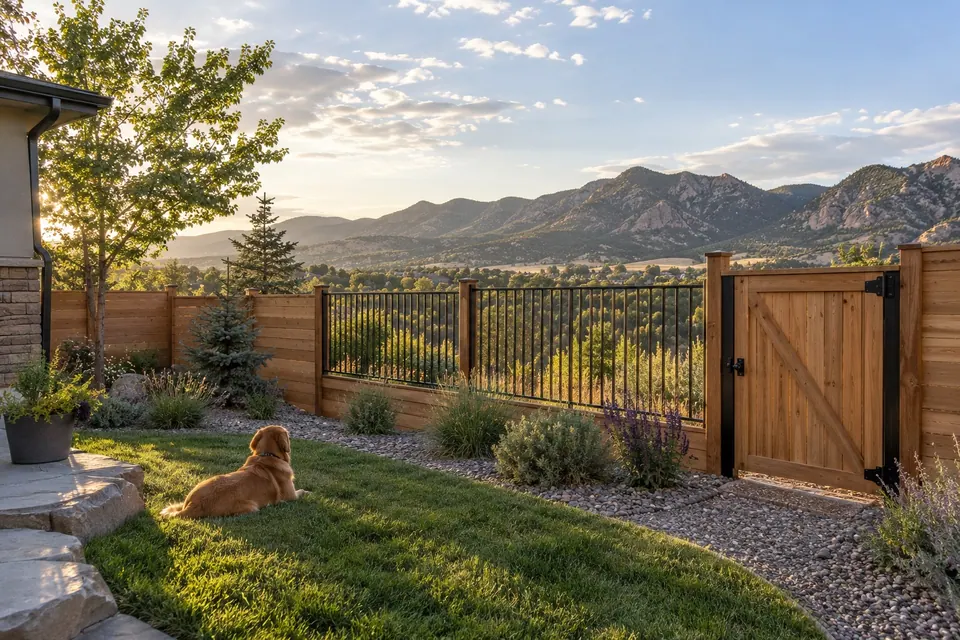
Putting the same fence back the same way invites the same failure. A good repair or rebuild looks at how much solid surface the fence presents to the wind, the post spacing and footing for the soil and exposure, and how gates are framed and hung. Where privacy is not essential, open styles such as aluminum or chain link take far less wind load. Where privacy matters, it can make sense to keep solid sections only where they are needed. Our guide to Colorado fence durability covers wind, snow, and drainage in more depth.
7. Check permit and HOA rules for a rebuild
A like-for-like repair often needs no approval, but a full replacement or a change in height, material, or location may need a city permit or HOA sign-off. Rules vary by town, so check before the new fence goes in.
Get help after a windstorm
Blue Squirrel's fence repair team can assess wind damage, explain what failed, and give you a written scope you can share with your insurer. If the fence needs to be replaced, we can plan a new installation built for your site's exposure. Request an estimate and include your photos.