Design for the actual exposure
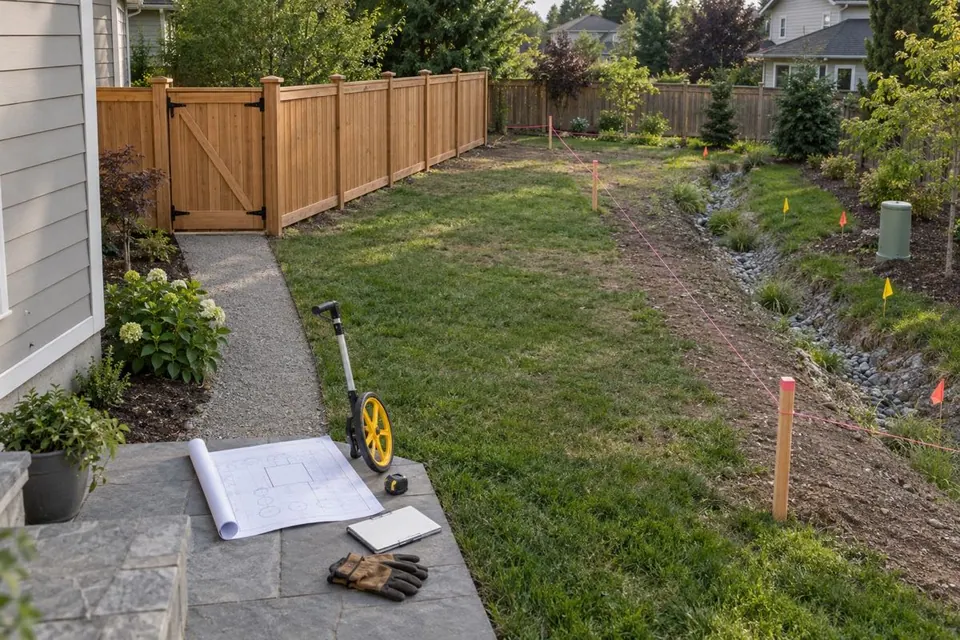
Front Range is not a single site condition. A protected urban yard, an open corner lot, a foothills property, and a large rural parcel experience wind, sun, drifting snow, runoff, and wildfire exposure differently. Begin with the property’s microclimate and history: where snow piles, where water moves, where wind funnels, and which areas dry or remain damp.
This regional guide connects three deeper resources: wildfire-conscious fence design, pet and pool planning, and weather, wind, snow, and drainage durability.
Wind: manage exposure as a complete system
Solid privacy fences catch more wind than open fences, but performance cannot be predicted by openness alone. Fence height, post system, spacing, footing, soil, grade, panel construction, gates, and surrounding buildings all influence load. An exposed ridge or wind corridor deserves a different conversation than a sheltered courtyard.
Avoid vague “wind-proof” claims. Ask how the proposed system, posts, connections, and gates respond to the site and whether a more open or selectively screened design would meet the real privacy goal.
Sun, moisture, snow, and drainage
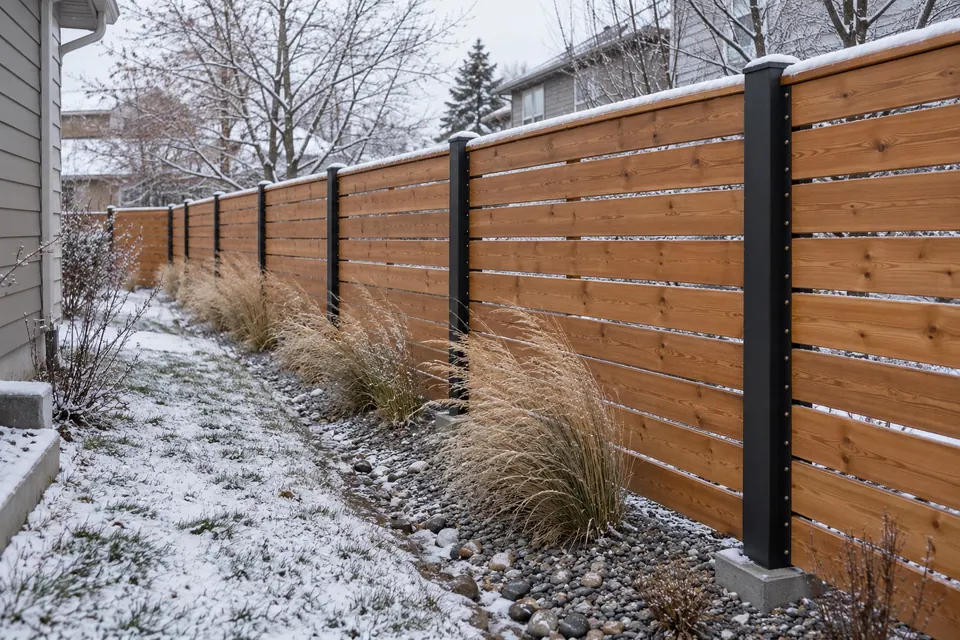
Intense sun affects color and finish; freeze-thaw cycles expose weak drainage and movement; drifting snow can keep lower components wet; irrigation can create chronic moisture where the broader yard appears dry. Keep appropriate ground clearances, preserve drainage, direct irrigation thoughtfully, and follow product-specific care guidance.
Wildfire-conscious transitions near structures
In wildfire-prone areas, the connection between combustible fencing and a structure deserves special attention. Current local requirements can apply in mapped wildland-urban interface areas, and best-practice guidance evolves. Use noncombustible transition strategies where required or appropriate and coordinate the fence with the home’s broader defensible-space plan.
Read the dedicated wildfire-conscious fence design guide and confirm requirements through the City of Boulder Wildland-Urban Interface code page when the property is within that jurisdiction.
Pet containment is behavioral and physical
A fence for a small digger, a large jumper, and a dog reactive to street activity may need three different solutions. Height is only one factor. Openings, ground gaps, gate latches, sight lines, climbable objects, double-gate routines, and household habits all matter. No fence replaces supervision and training.
Pool barriers require a complete-system review
A pool barrier includes fence, gates, latches, openings, adjacent objects, and sometimes doors or other parts of the enclosure. Requirements vary. Confirm the currently adopted code and inspection process with the authority having jurisdiction. Do not treat a product labeled “pool fence” as automatic site approval.
Preserve views and neighborhood fit
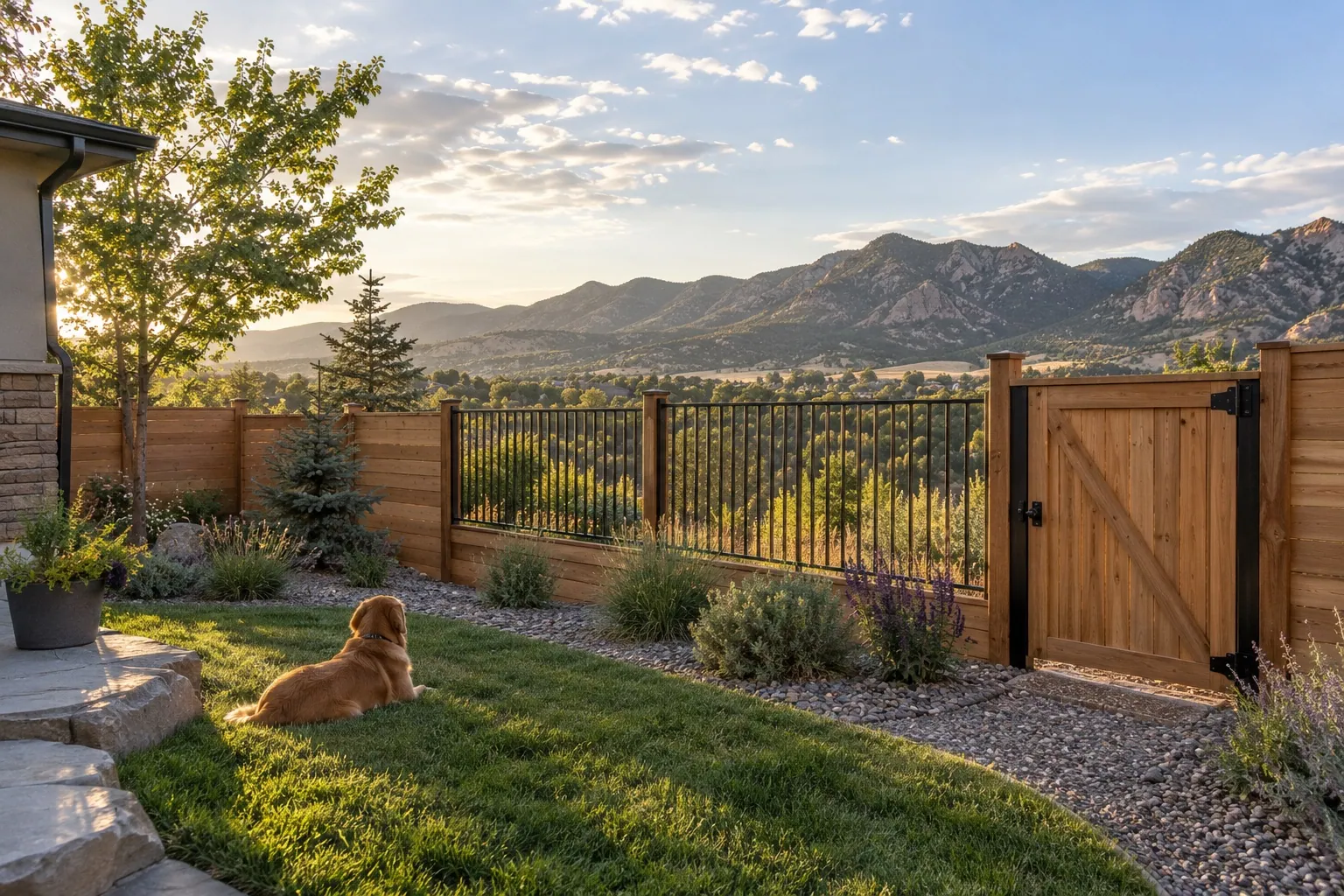
Privacy does not have to mean a tall solid wall on every boundary. Use solid sections where sight lines are intrusive, open fencing where landscape or mountain views matter, and lower or more transparent treatments near the street when appropriate. Repeat materials, proportions, or colors from the house so the fence belongs to the property.
Build maintenance into the design
Pair this regional framework with the complete Boulder County planning guide and Colorado materials guide to turn broad priorities into a site-specific project.
- Keep plants, soil, and irrigation from creating unnecessary material contact.
- Make gates and hardware accessible for adjustment and replacement.
- Preserve product names, colors, profiles, and care documentation.
- Inspect after major wind, impact, drainage, or landscaping changes.
- Address loose hardware, finish damage, leaning posts, and gate misalignment before they compound.