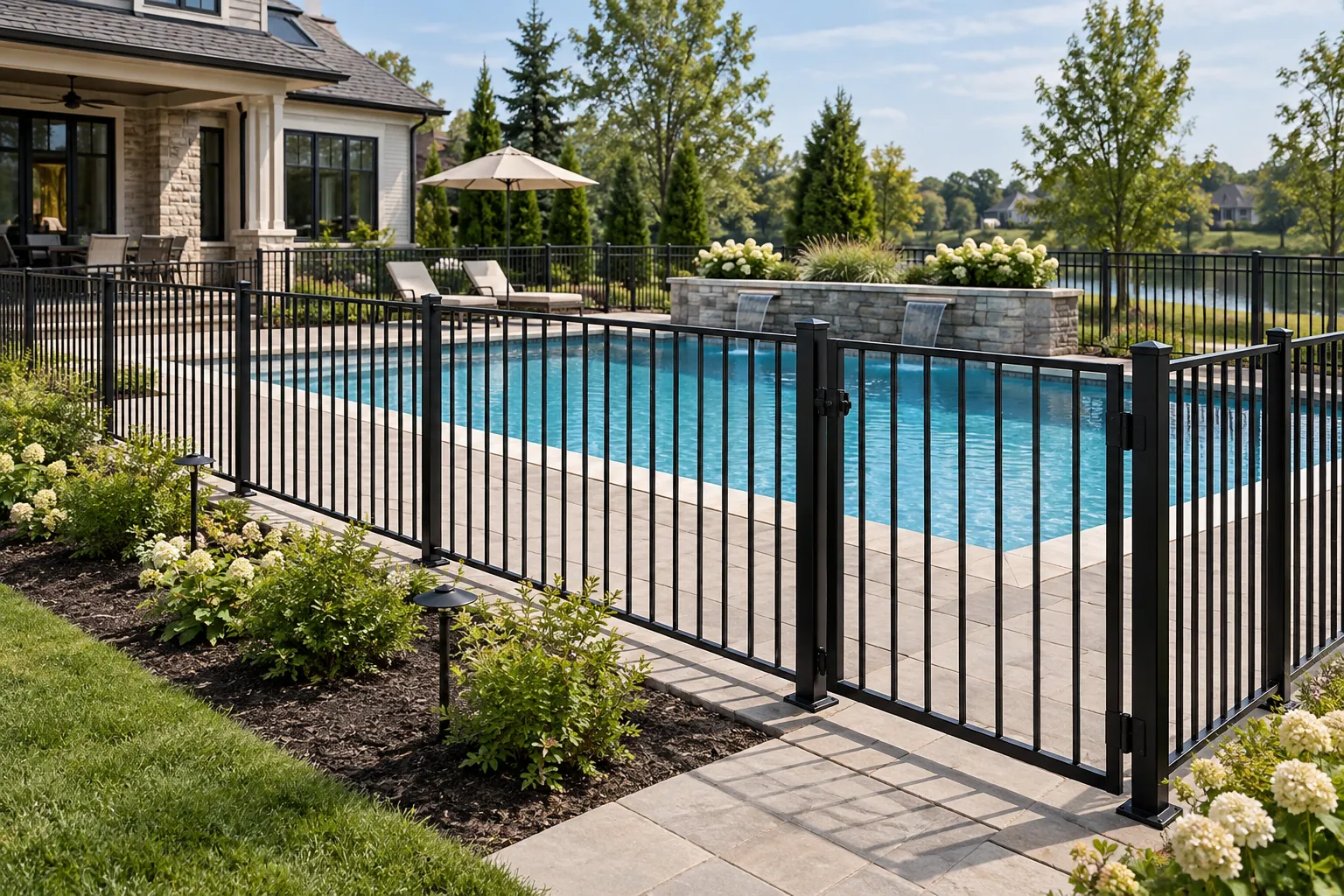
Start with the users of the yard
A backyard may need to serve children, pets, swimmers, guests, maintenance crews, and everyday family life. Map each user’s route and risk before selecting a fence style. The safest layout is usually the one that supports good routines instead of relying on memory or improvised barriers.
Design pet containment around behavior
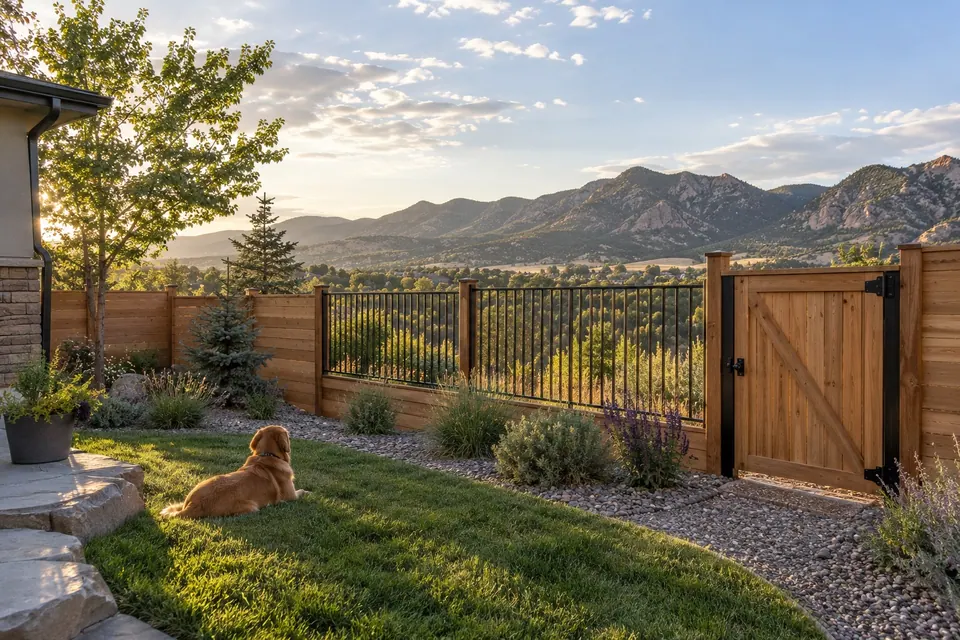
Consider the animal’s adult size, jumping, climbing, digging, squeezing, chewing, and reaction to street activity or neighboring dogs. A small ground gap may matter more than overall height for one pet; sight-line screening and a secure double-gate routine may matter more for another.
- Openings at panels, gates, corners, and grade transitions.
- Objects near the fence that can become climbing platforms.
- Soil or landscape conditions that encourage digging.
- Latch height and whether children or visitors can operate it.
- Temporary containment during construction or future repairs.
Treat the pool barrier as one system
The barrier includes fence panels, gates, latches, openings, ground clearances, nearby objects, and sometimes doors or walls that form part of the enclosure. Product marketing is not a site approval. Confirm current requirements and inspection procedures with the authority having jurisdiction for the property.
Blue Squirrel can help plan pool fencing and gate systems, but code acceptance belongs to the local authority and the complete installed condition.
Give gates extra scrutiny
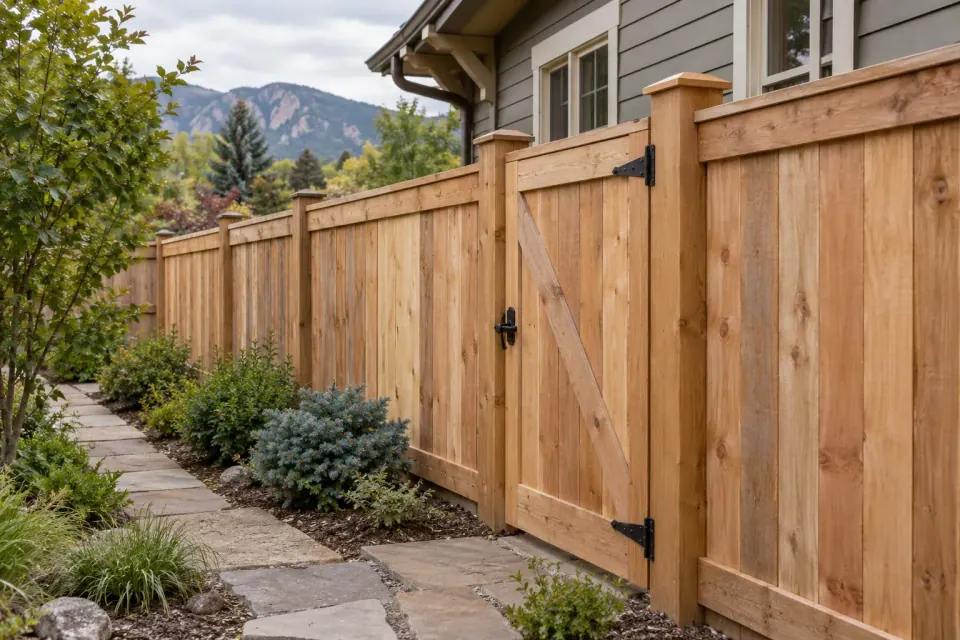
A pool gate may be required to swing in a particular direction and close and latch on its own; latch location and operability may also be regulated. Pet gates need hardware that matches the animal and household routine. In both cases, grade, snow, settlement, and nearby surfaces must not prevent reliable operation.
Avoid creating climbable conditions
Furniture, planters, equipment, low walls, horizontal rails, and landscape features near a barrier can change how it performs. Review both sides of the fence and think about how the yard will be furnished after installation, not only how it looks on an empty construction day.
Plan for visitors, service, and emergencies
Decide how guests find the correct gate, how maintenance providers enter, how deliveries are handled, and how emergency access remains possible. Clear house rules and reliable hardware are part of the safety system. For pets, use signs or secondary controls when unfamiliar visitors may leave a gate unsecured.
A safety-focused review before handoff
Place this safety review inside the broader Front Range fence design guide and the property process in our complete fence planning guide.
- Walk every opening and grade transition.
- Operate every gate repeatedly from both sides.
- Confirm closing, latching, and locking behavior where required.
- Remove climbable objects and review planned furniture placement.
- Save product instructions and schedule routine hardware checks.
- Confirm the final condition with the appropriate inspector when required.