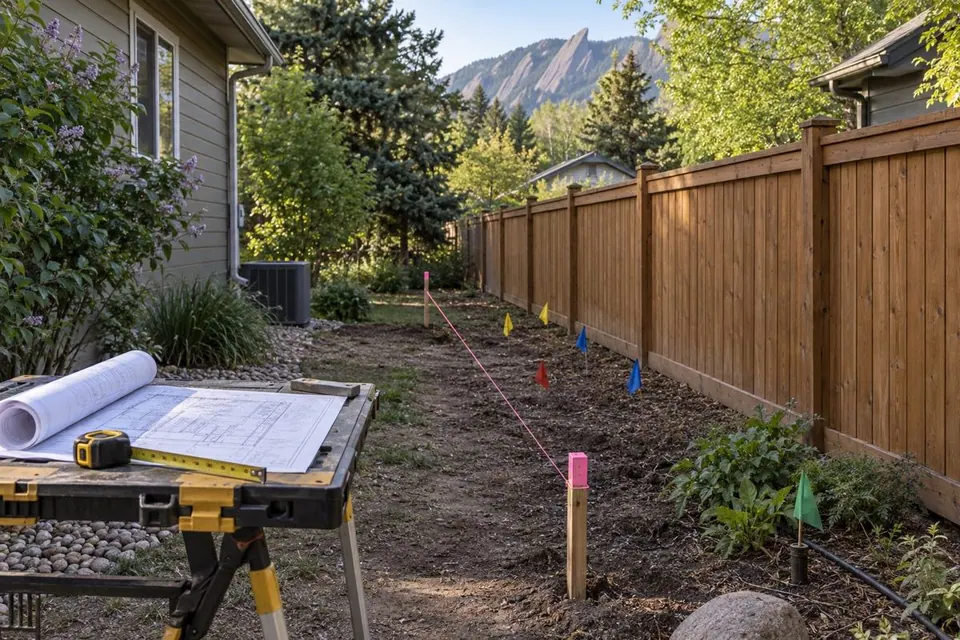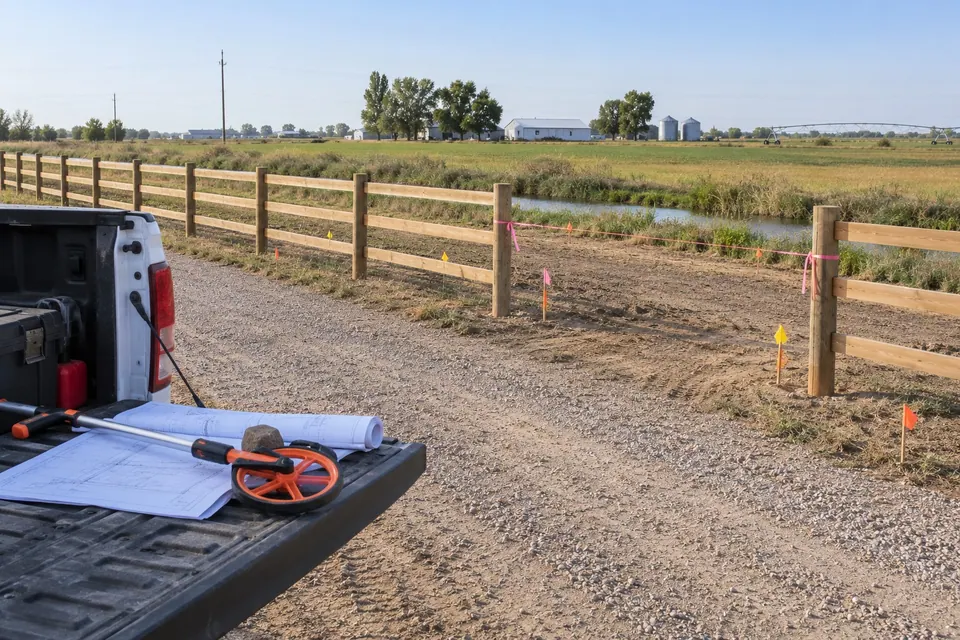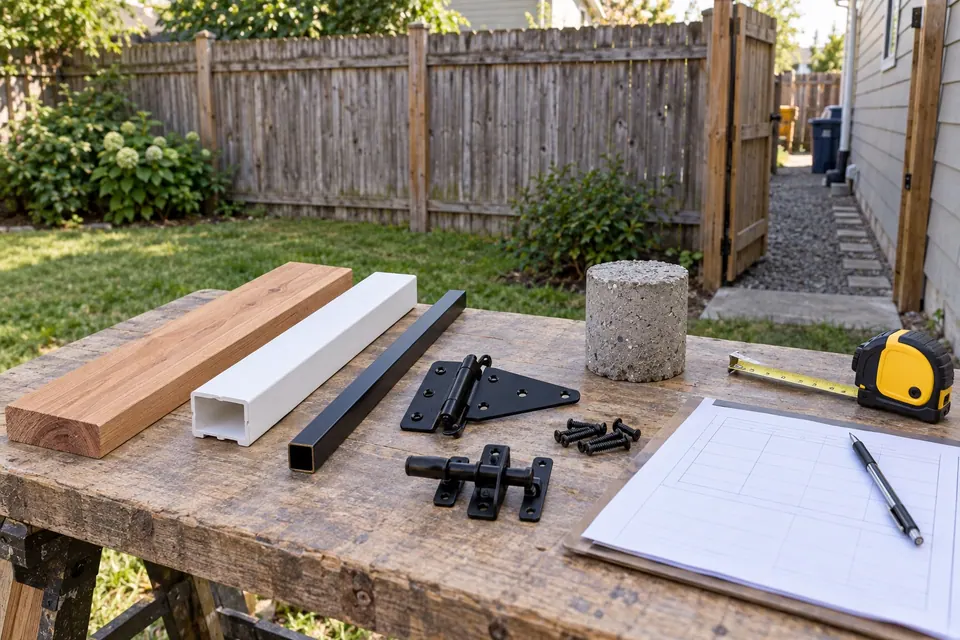
Colorado does not have one statewide fence code. Each city sets its own permit process, height limits, and placement rules, and neighborhoods with a Planned Development zone or an HOA can add their own requirements on top. This guide summarizes what the cities of Thornton, Westminster, Northglenn, Brighton, and Commerce City publish about residential fences, with links to each city's official page.
Rules change, and the details depend on your zoning and lot. Treat this as a starting point and confirm with the city before you build. Information was checked against city sources in October 2026.
Start with your jurisdiction
Your mailing address does not always match the city that regulates your lot. Some addresses with a city name are in unincorporated Adams County, and some neighborhoods sit near city lines. Check your property's jurisdiction and zoning on the city or county map before relying on any rule below.
Thornton
The City of Thornton's residential fence information sheet covers most single-family and multifamily zones. Planned Development neighborhoods may have different fence guidelines, so check your zoning first.
- A building permit is required for a new fence and for repairing or replacing an existing fence.
- Side and rear yard fences may be up to 6 feet tall; front yard fences up to 4 feet. Up to 8 feet may be allowed in select locations with additional approvals.
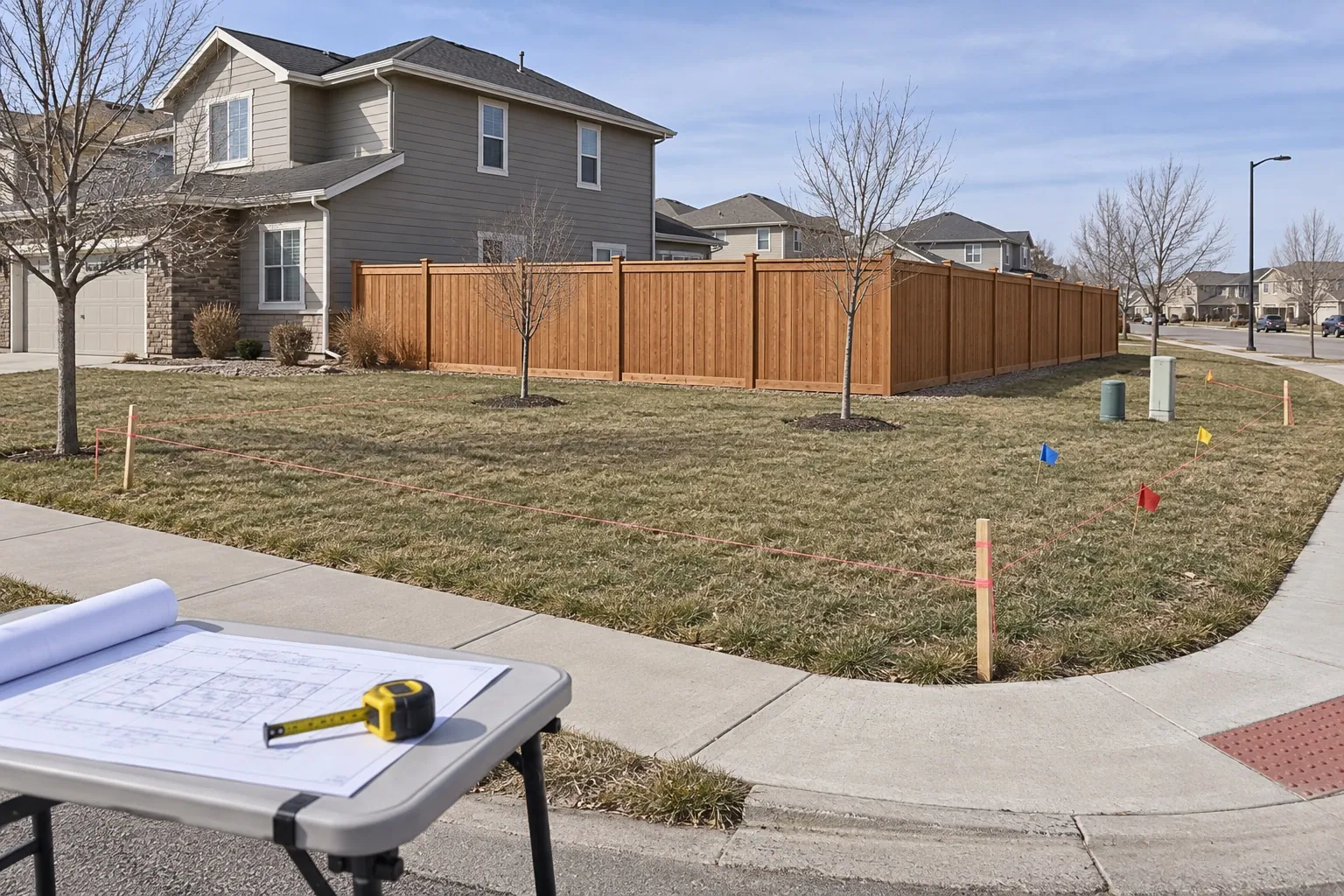
- Fences over 2 feet 6 inches are not allowed in visibility triangles, which are usually on corner lots.
- Parallel fences need at least a 5-foot gap between them.
- Chicken wire, particle board, and plywood fences are prohibited along property lines or setbacks visible from a street.
- The city does not verify property lines, so confirming the line is the owner's job.
More on local planning: fence installation in Thornton.
Westminster
The City of Westminster's building permit resources page says:
- A permit is always required for a new fence.
- A like-for-like replacement does not need a permit, but a replacement that changes the height, location, or material does.
- Exterior permits need a site plan showing distances to property lines and existing structures.
Ask the city about height limits for your yard and zoning before finalizing a design. See fence installation in Westminster.
Northglenn
Northglenn's building division lists fences among the projects that require a permit; minor picket repair does not. The city's development code adds:
- A building permit is required for fences more than 30 inches tall.
- Front-yard fences in residential areas are limited to 42 inches and must be at least 50 percent see-through.
- Fences on corner lots must follow vision-triangle limits at intersections.
- Applications are submitted online and need a site plan or survey showing the fence location, material, and height.
See fence installation in Northglenn.
Brighton
The City of Brighton's permit FAQ lists fences among the common home projects that need a permit. Permits are applied for online. Fences on public property need separate permission from the city, and fences in public utility easements are allowed only when they keep utilities accessible and do not block drainage. Ask the permit counter about height and front-yard limits for your zoning. See fence installation in Brighton.
Commerce City
Commerce City's Fences Facts to Know handout sets these residential standards:
- Front yard: up to 42 inches, open style, set back from the front property line.
- Side and rear yards: up to 6 feet, with lower limits and setbacks where the yard is along a street.
- Sight-distance triangles at intersections limit fences and other obstructions.
City sources describe the permit requirement for standard-height residential fences differently, so ask the building division whether your fence needs a permit before you start. See fence installation in Commerce City.
Rules that apply almost everywhere
- Confirm your property line with a survey or improvement location certificate.
- Call Colorado 811 before digging, and locate private lines like irrigation separately.
- Keep meters, hydrants, and utility equipment accessible, and do not block drainage.
- Get HOA approval in writing; it is separate from the city permit. Our HOA fence approval guide walks through it.
- Pool barriers have their own safety requirements; see pet and pool fence planning.
Let us handle the details
Blue Squirrel plans every fence installation around the rules for the address, including height limits, corner-lot sight lines, and easements. This article is general information, not legal or code advice; always confirm current requirements with the city. Request an estimate to get started.