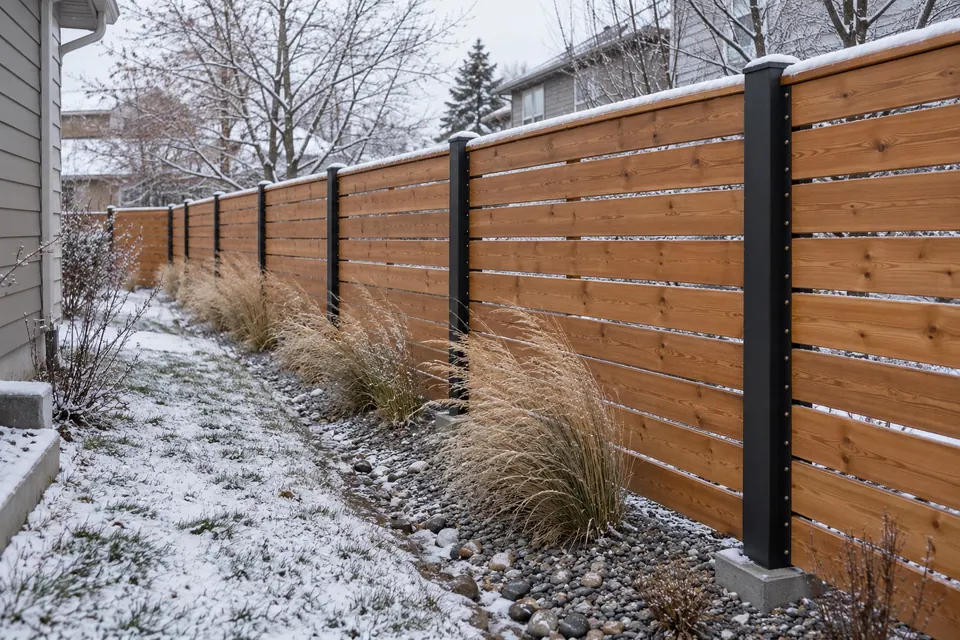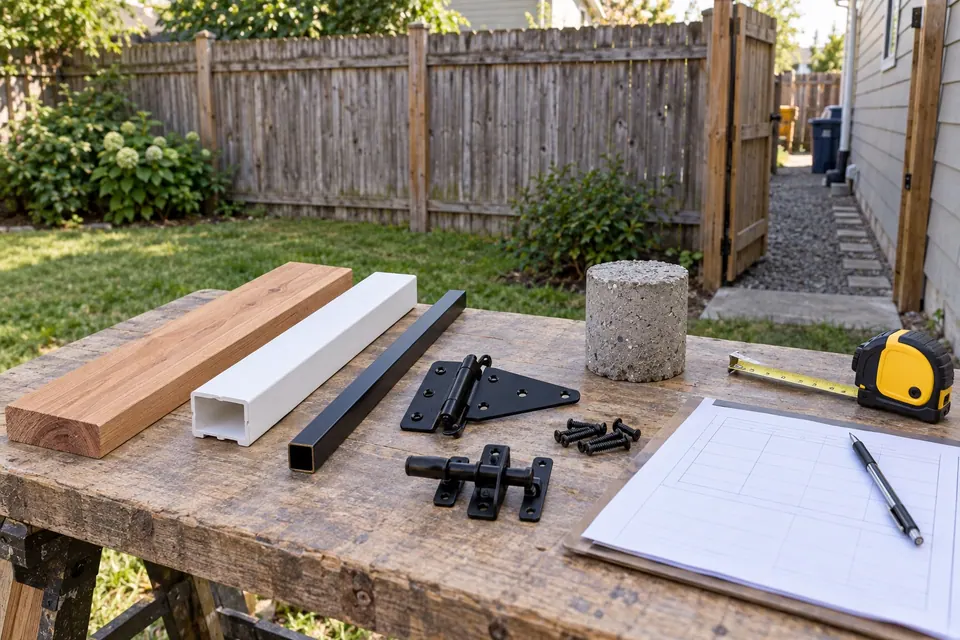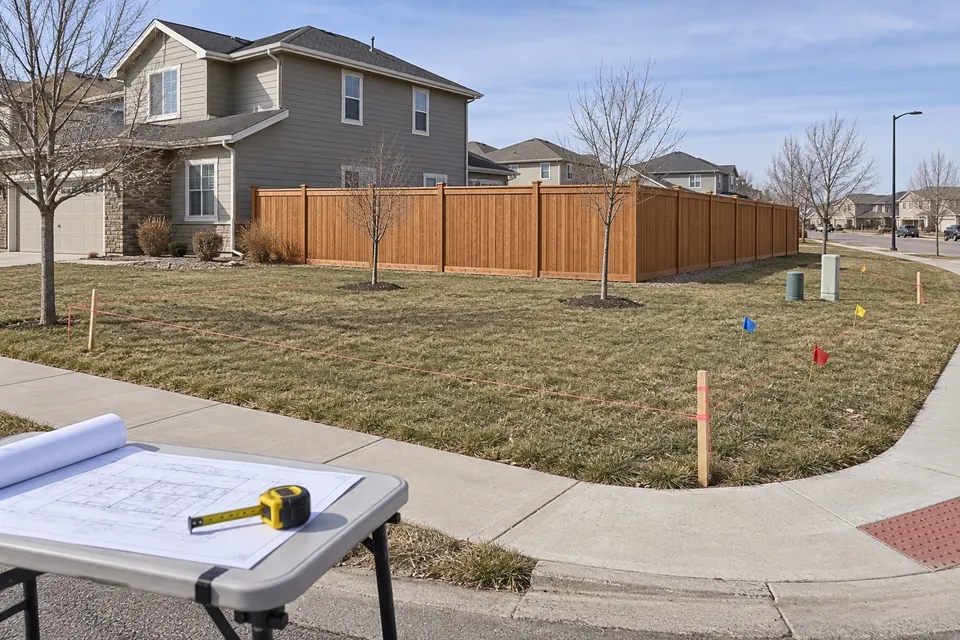
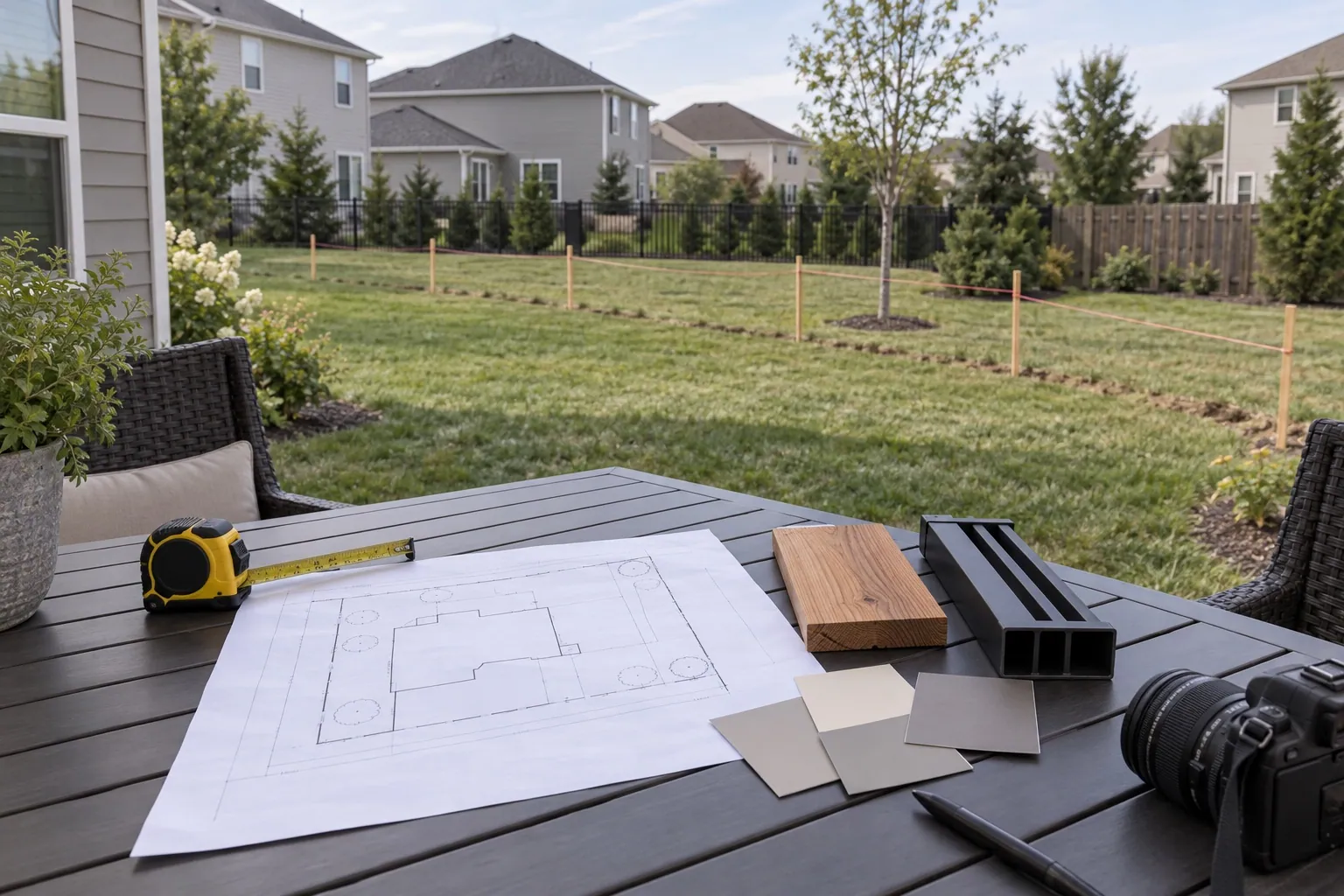
Many neighborhoods in Erie, Superior, Louisville, Thornton, Frederick, and Firestone are governed by a homeowners association or a metro district with design rules. In those neighborhoods, the HOA's architectural review is often the first hurdle for a new fence, and it can decide the style, height, color, and even which side of the fence faces out. Getting it right before you order materials saves time, money, and a difficult conversation with the board.
HOA approval and city permits are separate
An HOA approval does not replace a city permit, and a city permit does not replace HOA approval. Some cities say plainly that they do not enforce HOA or metro district covenants, which means a fence can pass city review and still violate your neighborhood rules. Plan to satisfy both. Our guides to fence permits in Boulder County, Adams County towns, and Weld County towns cover the city side.
Step 1: Get the current rules
Ask your HOA or management company for the current design guidelines and the architectural review application. Guidelines change, so do not rely on a neighbor's copy or what was approved on their lot years ago. Read the fence section for:
- Approved styles and materials, such as a specific cedar profile, vinyl color, or open metal design.
- Maximum heights, which often differ for front, side, and rear yards and for lots that back onto open space.
- Required stain color or finish, and whether you must keep it up on a schedule.
- How far the fence must sit back from the front of the house.
- Rules for connecting to or replacing a community-installed perimeter fence.
- Review timelines and what happens if the committee does not respond.
Step 2: Pick a design that fits the rules
The easiest approval is a design that matches what the guidelines already allow. If your goals need something different, such as a taller privacy section near a patio or an open aluminum fence to keep a mountain view, explain the reason in your application. Committees are more likely to approve a variance when they can see it fits the neighborhood. Our cedar vs. vinyl comparison can help if your HOA allows both.
Step 3: Submit a complete application
Incomplete applications are the most common reason for delays. Most committees want:
- A site plan or marked-up survey showing the fence line, gates, and distances to property lines and the house.
- The fence style, height, and material, ideally with a photo or drawing.
- The stain or color name, with a sample if the guidelines require one.
- Gate locations and sizes.
- Neighbor acknowledgment, if your HOA asks for it on shared lines.
A fence contractor familiar with local HOAs can supply product details, drawings, and color information for the packet.
Step 4: Wait for written approval
Do not order materials or start digging until you have approval in writing. Read any conditions carefully, such as a required color or a change to the gate location, and make sure your contractor's plan matches them. Keep the approval letter with your house records; it can matter when you sell.
Common reasons fences get denied
- A height or style that is not on the approved list.
- A solid fence where open fencing is required, often along open space or trails.
- A fence that extends too far toward the street.
- A color or stain that does not match the community standard.
- Missing site plan details.
Get help with the details
Blue Squirrel plans residential fences around HOA guidelines and can provide the product and layout details your application needs. This article is general information, not legal advice; your recorded covenants and current guidelines control. Request an estimate and send us your HOA's fence guidelines.