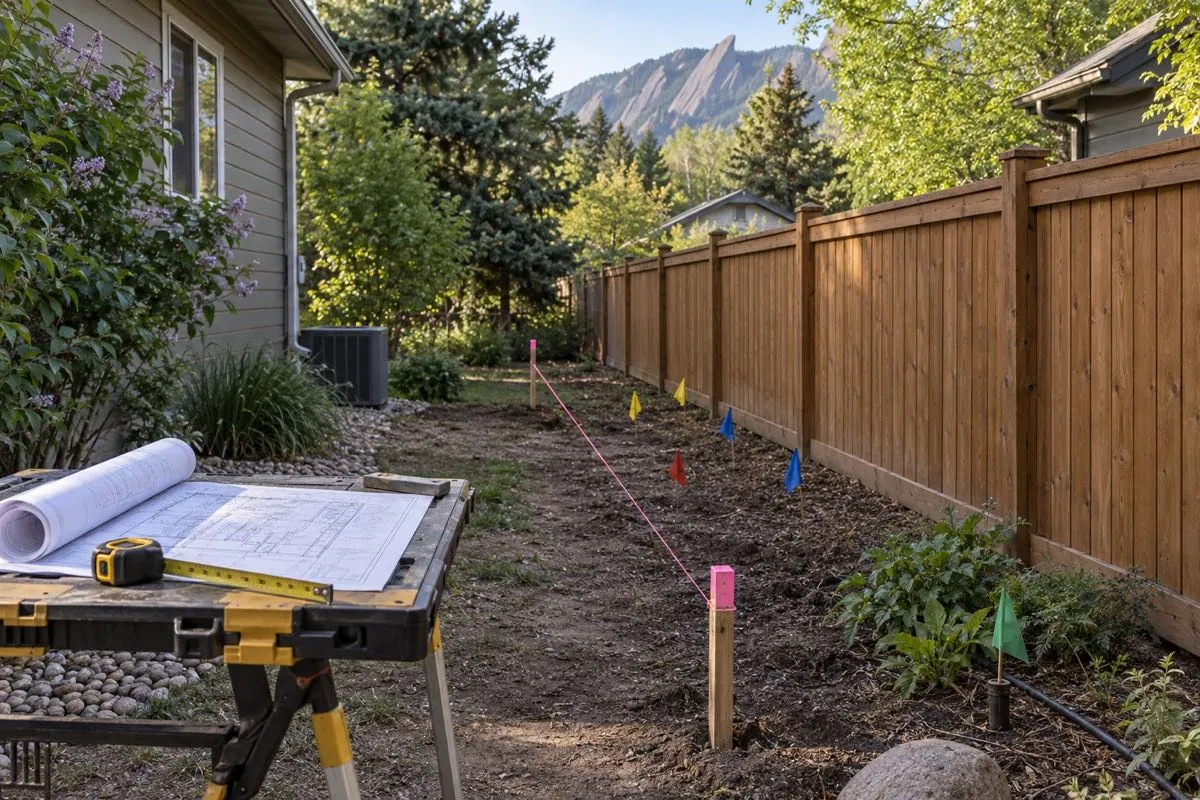
Start with the correct jurisdiction
“Boulder County” can mean the City of Boulder, another municipality, or unincorporated county land. The address, not the mailing city alone, determines which planning and building authority applies. Confirm the jurisdiction before relying on a neighbor’s experience or a general internet answer.
For property inside the City of Boulder, review the current Fence and Retaining Wall Permit Guide. The city notes that some fences may be exempt from a building permit while still being subject to other reviews or location rules. Treat the official guide as the source of truth and verify it again when your project is ready to proceed.
A permit exemption is not blanket approval
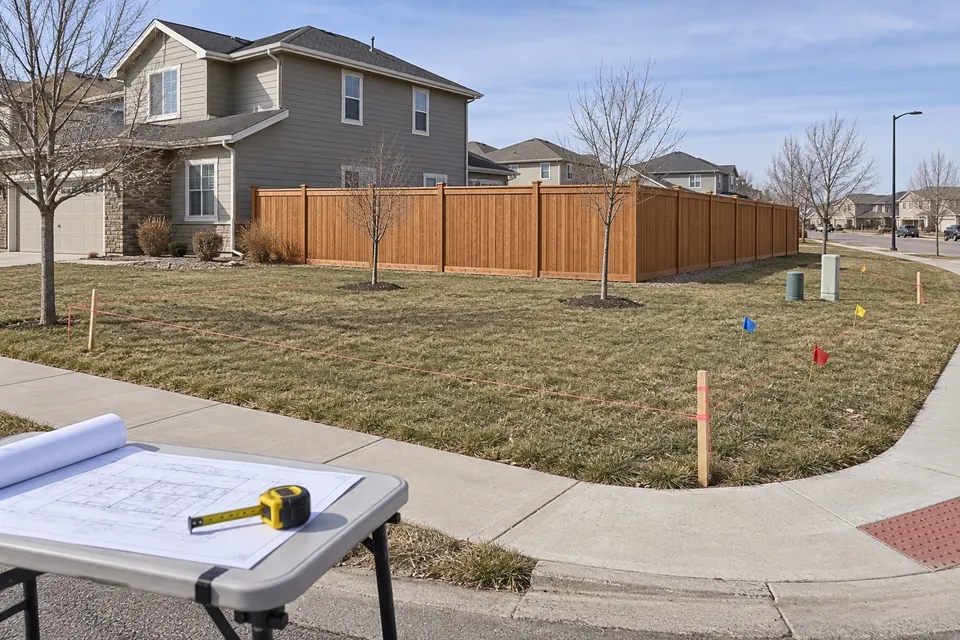
Fence height, zoning, historic designation, floodplain or wetland conditions, corner-lot visibility, public rights-of-way, and other overlays can change what is allowed. An HOA may also have private design-review requirements that are separate from local government approval. Obtain required approvals in writing and keep them with the project documents.
Confirm the property line before layout
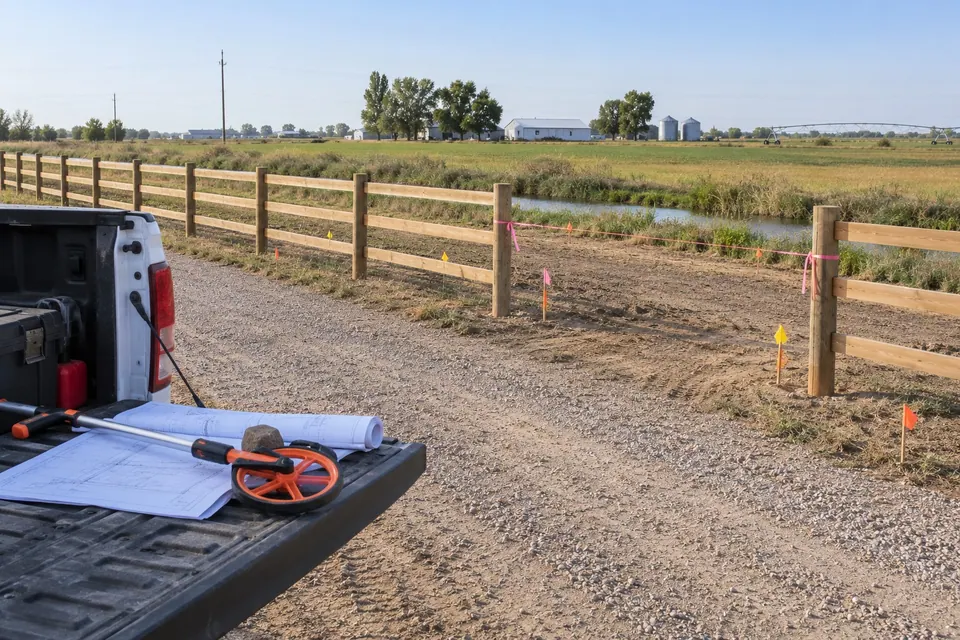
Existing fences, mowing patterns, utility boxes, hedges, and online parcel maps are not substitutes for a survey. Locate your recorded survey or improvement location certificate. If pins cannot be found or the documents conflict with conditions on site, consult a qualified land surveyor before authorizing the fence line.
Discuss who is responsible for providing and confirming the line. Blue Squirrel can plan installation from an owner-approved layout, but the owner and appropriate licensed professionals must resolve legal boundary questions. A clear line protects the project from expensive relocation and neighbor conflict.
Review easements and shared conditions
Utility, drainage, access, and maintenance easements may restrict construction or require access to remain available. Shared fences also deserve a written neighbor conversation: who owns the existing fence, whether removal is authorized, where the replacement will sit, and how temporary openings will be handled.
Locate public and private underground systems
Use Colorado 811’s residential digging process before excavation and follow the instructions on the locate ticket. Keep the work area accessible and preserve marks through the installation window.
A public locate may not mark privately owned systems beyond a meter or connection point. Irrigation, landscape lighting, septic components, propane, pool equipment, detached-building power, and homeowner-installed lines may need a private locate. Share known systems with the installer before the layout walk.
Check the details that are easy to miss
- Sidewalk and right-of-way setbacks or clearances.
- Sight triangles at streets, alleys, and driveways.
- Access around hydrants, water meters, and utility equipment.
- Drainage paths and recorded drainage easements.
- Historic district or landmark review.
- HOA material, color, height, and submittal requirements.
Bring verified information to the site walk
A site visit is far more productive when the intended line is known, approvals are underway, and underground concerns have been identified. Use the complete Boulder County fence planning guide for the larger process, then follow the estimate preparation checklist before meeting with a contractor.
This article provides general planning information, not legal, surveying, permitting, or code advice. Rules change; always confirm current requirements with the authority having jurisdiction and your HOA when applicable.